Understanding Your Safety Net: What Does Personal Injury Protection (PIP) Cover? – A Guide by Frantz Law Group

Your Initial Support After a Car Accident
One moment you’re driving home from work, the next, you’re exchanging shaken words with a police officer at the scene of a sudden automobile accident. Amid the blur of flashing lights and adrenaline, a wave of concerns builds up in your mind: medical bills, time off work, car repairs, and what it all would cost.
In the chaotic hours following a car accident, some people immediately think about insurance clauses or policy inclusions. But understanding your personal injury protection (aka PIP insurance) can make a huge difference in how you recover, both physically and financially.
Personal injury protection is a type of auto insurance that helps cover medical expenses, lost income, and related costs if you’re injured in an accident, regardless of who caused it. Depending on your no-fault insurance state laws and your auto policy, it can also extend to your family members, passengers, or pedestrians involved.
According to a 2023 IRC study, approximately 14% of motorists in the United States were uninsured in 2022. That means even a seemingly minor auto accident could leave you financially exposed if the other driver can’t cover your medical costs or property damage, which is why having a solid understanding of your PIP coverage is crucial.
As a nationally respected personal injury law firm, our team of legal experts at Frantz Law Group works with clients across the country to navigate insurance company hurdles, understand their personal injury protection coverage, and uncover legal avenues that go well beyond what’s offered under basic PIP insurance.
In this guide, we’ll break down exactly what PIP typically includes, what it doesn’t, and why knowing your rights is crucial, especially if you’re dealing with severe injuries or long-term impacts. Whether you’re trying to understand how much PIP coverage you may need or what steps you should take after an accident, this guide will help you proceed with clarity.
The Core Coverages of Personal Injury Protection (PIP)
While dealing with the aftermath of an accident, your immediate focus is on recovery, not paperwork or policies. That’s where a no-fault insurance can help pay for certain costs quickly, without needing to first determine who caused the crash.
Medical Expenses
The most immediate use of personal injury protection coverage is to cover medical expenses resulting from your automobile accident. These benefits can kick in quickly and often cover a wide range of medical treatment, including:
- Doctor’s visits
- ER and hospital stays
- Surgeries
- Rehabilitation therapy (e.g., physical therapy, occupational therapy, or chiropractic care)
- Prescription medications
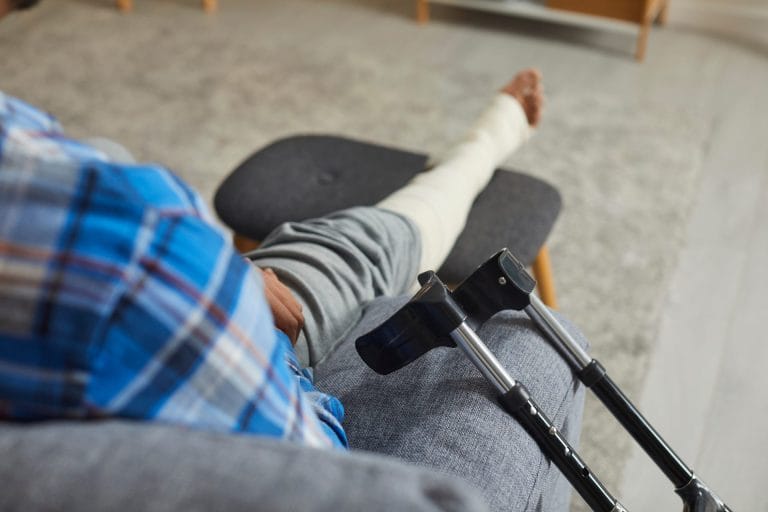
- Medical equipment (e.g., crutches, braces)
- Diagnostic tests (X-rays, MRIs, CT scans)
These costs can add up quickly, especially when health insurance doesn’t cover everything. PIP covers medical expenses regardless of fault, but your coverage limits depend on the policy limits in your auto policy and your state’s law. For instance, in California, PIP is not mandatory; however, Medical Payments Insurance Coverage (MedPay) may serve as a substitute under Section 11580.2, subdivision (e) of the California Insurance Code.
Lost Wages
If you’re seriously injured in an accident, your recovery might mean time away from work. That’s when Personal Injury Protection (PIP) helps by covering a portion of your lost wages.
Most policies pay up to 60–80% of your average weekly earnings; however, that amount is capped by PIP limits. Additionally, many states include a waiting period before the benefits begin.
This is where our team of legal experts at Frantz Law Group can help you calculate your total lost income, including for self-employed clients, and ensure the full financial impact of your injuries is accurately documented for possible recovery beyond your PIP claim.
Essential/Household Services
Serious injuries don’t just take you out of work; they can also leave you unable to handle basic day-to-day responsibilities even at home. That’s why many personal injury protection insurance policies help cover related costs for essential services such as:
- Housekeeping
- Yardwork
- Child care
- Grocery delivery
- Transportation services
These elements are often overlooked, but they are crucial when you physically can’t perform tasks you usually handle. To be eligible, you’ll typically need to submit proof of services and medical documentation. We can assist you in compiling this evidence and present a stronger claim, especially when additional legal action may be necessary.
Funeral Expenses
In tragic cases, a crash may result in fatal injuries. When that happens, your PIP coverage may also pay for funeral expenses and cover the funeral costs, including:
- Burial or cremation
- Funeral services
- Transportation and casket fees
The average funeral in the U.S. these days costs between $7,000 and $10,000, depending on location and service choices.
This aspect of PIP insurance is crucial for families facing loss, but again, it comes with coverage limits. In some states, benefits are capped at $2,000 to $5,000 unless increased by the policyholder.
Though no amount of money can compensate for the loss of life, we help families explore options beyond PIP, including bodily injury liability coverage claims and wrongful death suits.
What Personal Injury Protection Typically Does Not Cover
While PIP offers valuable coverage for immediate medical expenses and lost wages following an auto accident, it’s essential to understand its limitations. Recognizing these gaps can help you seek additional compensation where necessary.
Damage to Vehicle or Other Property
PIP is designed to cover medical expenses resulting from bodily injuries, not property damage. Therefore, repairs to your vehicle or other personal property aren’t covered under PIP. For such damages, you’ll need collision or comprehensive coverage as part of your auto insurance policy.
Pain and Suffering
While PIP primarily addresses economic losses, such as medical bills and lost wages, it does not compensate for non-economic damages like pain and suffering, emotional distress, or inconvenience. These types of damages should typically be pursued through a personal injury claim against the at-fault party.
At Frantz Law Group, we also prioritize these non-economic aspects of damages as they constitute a significant part of a personal injury claim beyond PIP.
Injuries to the At-Fault Party
While PIP covers the policyholder and their passengers, the at-fault driver may not be covered under your policy. In no-fault states, each driver’s PIP coverage typically applies to their own injuries, regardless of their fault.
However, in at-fault states, the at-fault driver’s liability coverage is responsible for the injuries they cause to others, but their own injuries may not be covered unless they have additional coverage like Medical Payments Coverage (MedPay).
Intentional Acts
PIP does not cover injuries resulting from intentional acts committed by the insured. If you deliberately cause harm, such as intentionally ramming another vehicle, insurance companies typically deny coverage for the resulting injuries.
This exclusion is based on the Fortuity Principle that insurance is meant to cover unforeseen accidents, not deliberate actions, as applied in the case of Montrose Chemical Corp. v. Admiral Insurance Co.
Understanding the Benefits and Limitations of PIP
Personal injury protection acts as a safety net for drivers and passengers by covering certain expenses after an auto accident, regardless of who was at fault. However, it’s essential to understand both its advantages and its constraints.
Benefits
- No-Fault Coverage: PIP provides coverage for medical expenses and lost wages without requiring the establishment of fault, ensuring prompt assistance following an accident.
- Immediate Access to Funds: Policyholders can quickly receive funds to cover medical bills, funeral expenses, and other related costs, facilitating timely treatment and recovery.
- Reduction in Legal Disputes: By handling claims internally, PIP can help you avoid immediate legal battles over fault, streamlining the compensation process.
Limitations
- Coverage Limits: PIP policies have specific coverage limits that may not fully address all expenses in severe accidents. For instance, in Florida, PIP is typically capped at $10,000, which might be insufficient for extensive medical treatments.
- Exclusion of Pain and Suffering: PIP typically does not cover non-economic damages such as pain and suffering, emotional distress, or inconvenience.
- State and Policy Variations: The specifics of PIP coverage, including benefits and limits, can vary significantly by state and individual policy, making it crucial to understand the terms applicable to your situation.
How Frantz Law Group Can Help, Even with PIP Coverage
Since PIP does not cover the full extent of damages, especially in severe cases, we at Frantz Law Group are dedicated to guiding our clients through these complexities to ensure comprehensive compensation.
Navigating Complex Claims
Even with PIP, situations can become intricate, particularly when you’re dealing with long-term care or significant injuries. Our legal expertise ensures that you understand your rights and the nuances of your auto insurance policies, facilitating a smoother claims process.
Determining the Full Extent of Damages
PIP often serves as just the initial layer of coverage. Our team of legal professionals at Frantz Law Group delves deeper to assess the full scope of damages, including pain and suffering, future medical expenses, and other losses not covered by PIP. Our thorough approach ensures that no aspect of your suffering or loss goes unaddressed.
Dealing with Insurance Companies
Insurance companies may attempt to minimize payouts, even under Personal Injury Protection (PIP). However, we’re well known for protecting the interests of our clients. We ensure that your rights are protected and that you receive the compensation you deserve.
Exploring Additional Legal Options
If the at-fault driver was negligent, there might be grounds for a personal injury lawsuit to recover damages beyond what PIP provides. We specialize in these cases, offering you the opportunity to pursue further compensation for your injuries and losses.
Coordination of Benefits
Navigating the interplay between PIP and other insurance coverages, such as health insurance, can be a complex task. We’ll assist you in coordinating these benefits to maximize your personal injury compensation and ensure that all medical bills and related costs are adequately covered.
Securing Your Future After an Accident
Understanding your personal injury protection coverage is an essential first step after an automobile accident. Knowing what your personal injury protection covers can empower you to make informed decisions in the wake of trauma.
However, it’s equally important to remember that PIP insurance is not a complete solution. It may offer short-term support under no-fault insurance laws, but in many serious injury cases, your policy limits might fall short, particularly when it comes to long-term care, emotional distress, or pain and suffering, which PIP doesn’t cover under most U.S. insurance statutes.
As outlined under the general principles of state insurance regulations, such as Section 11580.2 of California’s Insurance Code, PIP (or its alternative MedPay) is often just one part of a broader legal picture.
That’s why having an ally well-versed in all prevailing laws and regulations, like Frantz Law Group, can make a huge difference. With over twelve decades of combined legal experience, our team can help you navigate insurance company roadblocks, coordinate benefits, and build strong cases when pursuing claims beyond PIP coverage.
Don’t let coverage confusion cost you your rightful compensation.
If you or a family member was injured in an accident, contact our legal experts for a free consultation. Discover what legal options are available beyond your typical personal injury protection, and take the next step toward securing your future with confidence.